Diet, lifestyle and immune health
Dr Shireen Kassam, Director of Plant-Based Health Professionals UK
The role of the gut microbiome
Seventy percent of our immune system resides in our gut. It’s pretty incredible to think that the trillions of bacteria and other organisms in the intestine play such an important role in maintaining health. We understand the most about the bacteria in the large intestine and these bacteria are involved in regulating and educating the immune system. When provided with the right nourishment, healthy bacteria can flourish and are able to make compounds such as short chain fatty acids that are essential to the functioning of the immune system. These signalling molecules can activate cells of the immune system and communicate with other organs such as the brain and lungs, thus regulating their immune systems too. In addition, gut bacteria are involved in making vitamins and hormones that are required for good health.
What factors affect our immune system?
There are a number of factors that impact the health of the gut microbiome and the immune system in general. Some we have control over and others we don’t. For example, ageing results in a decline in the functioning of immune cells. At the same time, ageing immune cells release inflammatory compounds, resulting in chronic low level inflammation, known as ‘inflammaging’. Together, these changes increase the risk of severe infections and chronic conditions associated with inflammation, such as cardiovascular diseases, cancer and degenerative diseases of the brain.
However, there are a number of modifiable risk factors that can positively impact the immune system and can be addressed by adopting healthy habits. These include all six pillars of lifestyle medicine.
Nutrition and immune health
The main foods associated with a healthy immune system are fruit, vegetables, whole grains, beans, nuts and seeds. This is because they contain important nutrients that have been shown to support the health of the gut microbiome and the functioning of immune cells.
Eat the rainbow
Fruit and vegetables are packed full of antioxidants, anti-inflammatory compounds and an array of phytonutrients, which all act to support immune health. Making sure your diet is varied and includes foods with an array of different colours will ensure you are consuming a wide range of beneficial nutrients.
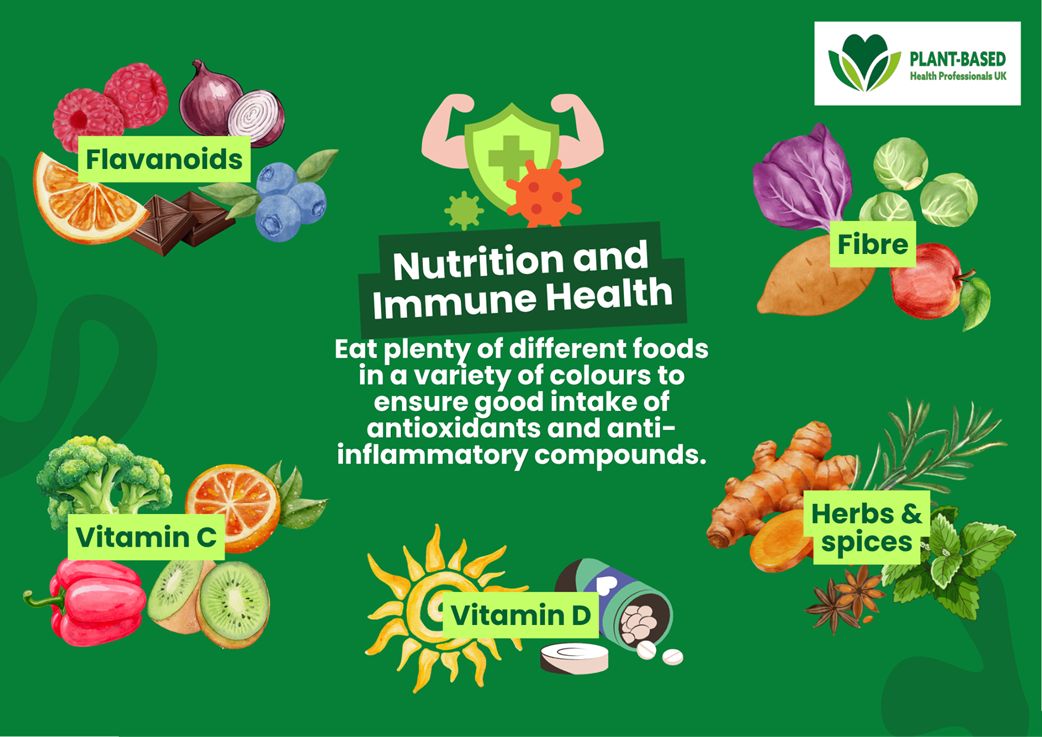
Vitamin C is an essential component of the diet and only found in fruits and vegetables. An adequate intake is required for optimal functioning of the immune system, and we should aim for around 100mg per day. Top food sources of vitamin C include red and green peppers, oranges, kiwi fruit and broccoli.
Vitamin D, more a hormone than a vitamin, plays an important role in maintaining a healthy immune system. The main source of vitamin D is from the action of sunlight on the skin. If sun exposure is inadequate, like in the winter months in the UK, then supplementation is recommended.
Micronutrients such as selenium and zinc are important for immune health. Two brazil nuts a day will take care of your selenium needs and it is also found in whole grains, beans and seeds. Foods rich in zinc include whole grains, beans and nuts. Soaking grains and beans before cooking can increase the bioavailability of zinc and other nutrients in the food.
Herbs and spices in various forms have some of the highest concentrations of antioxidant compounds and also contain a number of beneficial compounds that support the immune system. Many show anti-infective properties, at least in the laboratory. So use a variety of herbs and spices liberally in cooking every day. Turmeric and its active component, Curcumin, has an array of health promoting effects. This includes anti-inflammatory, antioxidant and anti-infective properties. A number of studies have shown that curcumin has activity against different viruses.
Fibre
Fibre, only found in plant-based foods, is crucial for maintaining the health of the gut microbiome, which in turn helps maintain a functional immune system. Fibre is a type of carbohydrate that is not fully digested by the body and makes its way down to the large intestine and is used as fuel by the resident bacteria. A plant-based diet, especially a vegan diet, has been shown to be associated with better gut health and a greater abundance of bacteria that produce short chain fatty acids.
Changing your diet to being more plant-based can have beneficial effects on the gut microbiome in a matter of days to weeks. Adults should be aiming to consume 30g of fibre per day.
What about prebiotics and probiotics?
Prebiotics are food for your gut bacteria. They are generally foods that are high in non-digestible fibre such as whole grains, bananas, greens, onions, garlic, soya beans and artichokes.
Probiotics are foods that contain live bacteria or yeast, usually because they have been fermented. This includes foods such as sauerkraut, kimchi, tempeh, miso, water and coconut kefir. Some plant-based yogurts also contain live cultures.
Most people in good health do not benefit from taking a probiotic supplement but including plenty of prebiotic and probiotic foods can improve the health of the gut microbiome and hence support immune health.
Good quality sleep
Sleep is essential for maintaining immune health. Inadequate sleep results in low-grade inflammation and adversely affects metabolic health and increases the risk of degenerative diseases. We should aim to get between 7–9 hours of sleep per night. To help ensure good quality sleep, the following can help:-
- maintain a regular sleep schedule;
- avoid daytime naps and if you do nap keep this to less than 30 minutes;
- make sure your bedroom is at a cool temperature, around 15–19 degrees Celsius;
- ensure a dark room without noise;
- avoid bright lights in the evening and expose yourself to sunlight in the morning;
- avoid heavy, carbohydrate-loaded meals 2–3 hours before bedtime;
- minimise screen-time/use of electronic devices in the evenings and avoid after 9pm;
- avoid caffeinated drinks after 2pm and eliminate alcohol.
Physical activity
There are so many benefits to being physically active and meeting international recommendations for both aerobic and strength-building exercises. Physical activity enhances the function of immune cells, reduces inflammation and amplifies the immune response to infections.
Any additional movement you can add to your daily routine is beneficial, even everyday household activities such as cleaning and gardening counts. Combining physical activity with time in nature may be even more beneficial as being in nature has been shown to enhance immune cell function.
Managing stress
Experiencing stress is a normal part of life and an acute stress response can temporarily strengthen the immune system. However, chronic stress and the persistent elevation of the stress hormone cortisol leads to immune dysregulation, immune suppression and promotes inflammation. This leads to increased susceptibility to infections, an increased risk of autoimmune conditions and may even increase the risk of developing cancer.
Having tools at hand to manage stress is really useful. This can include regular physical activity, spending time in nature, mindfulness activities such as meditation or yoga, and prioritising time with loved ones.
Avoid alcohol and cigarette smoking
Both alcohol and smoking impair the function of the immune system. There is no safe limit of alcohol to consume, so it’s best not to drink. Similarly, it is well established that smoking tobacco adversely affects all aspects of our health and significantly reduces life expectancy by an average of 10 years. It is never too late to quit alcohol or smoking and there is free support available from the NHS.
Lifestyle habits and autoimmune conditions
Dysfunction of the immune system can lead to autoimmune conditions. That is when the immune system ‘attacks’ normal cells. This manifests in different ways depending on where in the body this takes place. For example, the immune system can attack joints leading to rheumatoid arthritis, or the central nervous system causing multiple sclerosis.
The good news is that even if you have an autoimmune condition, there is emerging evidence that adopting a plant-based diet and other healthy habits can have a hugely positive impact on symptom severity and reducing the reliance on medication. This has been demonstrated in the Plants for Joints study in people with rheumatoid arthritis and observed in people living with multiple sclerosis.
- Eat a diet high in fibre-rich foods, including fruit, vegetables, whole grains, beans, nuts and seeds.
- Aim to get nutrients from food rather than supplements. The exceptions are Vitamin D if you are not getting sufficient sunlight and vitamin B12 if you are eating a meat-free diet.
- Prioritise sleep, aiming for 7-9 hours per night.
- Add movement to your day, aiming for 150 minutes of moderately vigorous activity per week and at least two sessions of strength-building exercises.
- Avoid smoking and alcohol. Drink mainly water for thirst. Tea and coffee are both healthy additions to the diet.
- Incorporate stress-relieving activities into your daily routine.
- Prioritise time in nature and time with loved ones.
- It is never too late. Even if you have a health condition related to the immune system, healthy habits can make a big difference.