Dairy: a nutritional and sustainable food group or unnecessary and unethical?
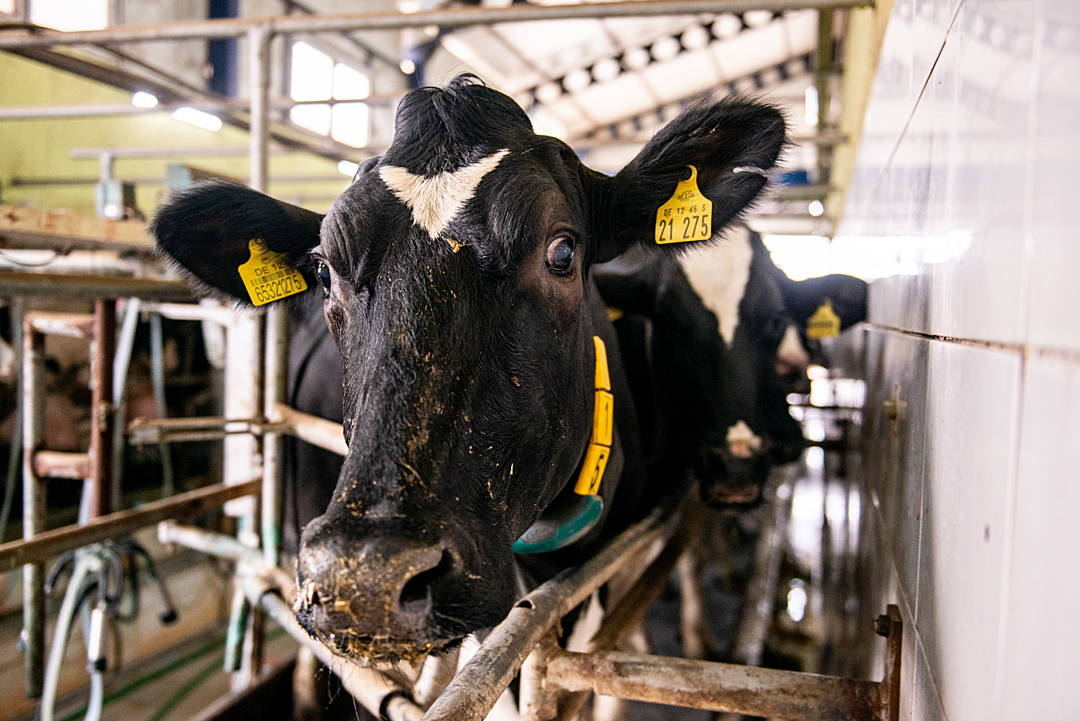
Image source: We Animals
The Agricultural and Horticultural Development Board (AHDB) has recently published a new report about dairy, focusing on both the ‘nutritional benefit’ for humans and the ‘improvements’ the industry is making in terms of sustainability. It is clear that the AHDB’s agenda is focused on marketing and promotion – and quite in contradiction to the growing bank of evidence which tells us that dairy is not essential for good health and its production is hugely damaging to the environment.
Although dairy is a source of certain essential nutrients, it is not required in the diet at any life stage. This was recently reiterated by the UK’s Scientific Advisory Committee on Nutrition and the Eat-Lancet Commission. Additionally, dairy is not suitable for 60-70% of the world’s population (mainly non-White people) who are lactose intolerant. This is one of the reasons why dairy was removed as a food group from Canada’s dietary guidelines in 2019, to be inclusive of all cultures and ethnicities.
Health impacts
Research suggests that consuming dairy can have negative health effects including:
- Raising blood cholesterol, due to the saturated fat content – increasing the risk of heart attack and stroke
- Increased risk of acne
- Bloating, diarrhoea and abdominal pain as a result of lactose intolerance
- Increased risk of prostate cancer and cancer mortality
- Serious allergic reactions to cow’s milk protein
Due to clever marketing, the predominant reason many believe dairy is necessary is because of claims that it is beneficial to bone health – but there is no scientific evidence that obtaining calcium from dairy improves bone health, reduces the risk of osteoporosis or prevents fractures. For good bone health, humans need to engage in weight-bearing exercise throughout the life course whilst also consuming a wide array of nutrients that can easily be obtained from a well-planned plant-based diet.
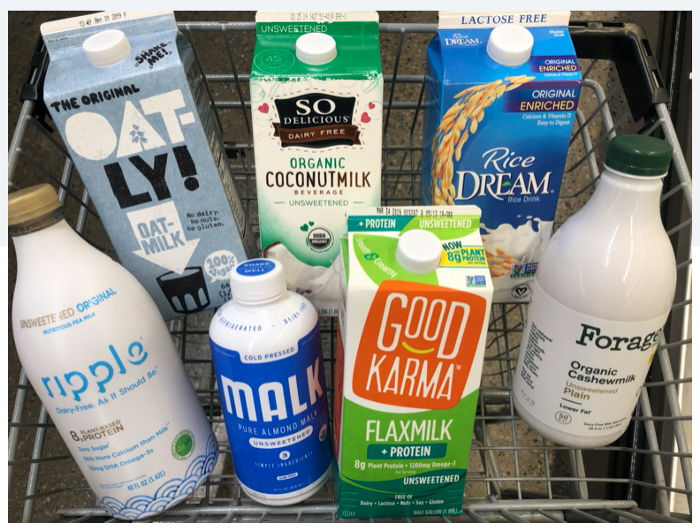
In fact, we have a healthier alternative. Randomised studies have shown soya beverages, even with added sugar, have benefits for cardiometabolic health compared to dairy. Swapping cow’s milk for soya milk could reduce the risk of breast cancer by up to 32% and prostate cancer by up to 70%. Additionally, ‘typical nutrient’ soya, oat, almond drinks may contribute to lower intakes of energy and saturated fat and higher intakes of dietary fibre and vitamin D.
Despite some research showing that fermented dairy products appears to show lower rates of cancer risk in women, this may be due to the absence of metabolites and compounds within the fermented dairy products that is linked to cancer such as IGF-1 and milk sugars such as lactose.
However when we look at dairy alternatives such as soy milk, we see significant reductions in total cancer incidence by as much as 25% (just under one third).
Furthermore, research indicates that calcium from appropriately fortified plant-based dairy alternatives, particularly those fortified with calcium carbonate – such as most soya drinks within the UK (85%) – can have comparable bioavailability to cow’s milk. In some plant foods with low oxalate content, calcium may even be absorbed more efficiently – as is the case with most legumes, fortified breads and cereals. This is despite claims from the report that plant-based dairy alternatives are often less bioavailable.
Environmental impacts
The AHDB report also claims that dairy farming in the UK can support net zero targets. In reality, farming animals contributes two-thirds of agricultural greenhouse gas emissions in the UK, with the majority from farming cows and sheep. Methane emissions from cows is a particular concern given it is a more potent gas than carbon dioxide. Without taking drastic measures to reduce these emissions, the UK will not be able to achieve its international climate commitments.
Farming cows also drives water pollution through slurry runoff (with many dairy farms falling short of water safety standards) and requires large areas of land which would offer far greater environmental benefits if restored and rewilded to natural landscapes such as peatlands, woodlands and varied ecosystems. Overgrazing can compound biodiversity issues by reducing the variation of hedgerows and wildflowers which many insects, birds and small mammals rely on. The use of synthetic fertilisers to increase grass yield can further damage soil microbial diversity (and contribute to additional greenhouse gas emissions such as nitrous oxide).
Intensive dairy-farming, which focuses on the maximum output of cows’ milk, often relies on extensive monocultures such as maize grown for feeding the cows. These simplified systems can accelerate soil degradation, increase erosion and drive biodiversity loss.
It is unsurprising therefore that the Climate Change Committee (CCC) has recommended a 20% reduction in dairy consumption by 2035 and a greater emphasis on plant-based alternatives. All plant-based dairy alternatives have a lower environmental impact when compared to dairy from cows.
Ethical concerns
The production of dairy is also unethical. Female cows are kept in a near-constant cycle of pregnancy and birth in order to keep up their milk ‘supply’. Cows – just like humans – produce milk because it is needed for their young. To prevent calves from drinking the milk intended for them, they are separated from their mothers within 24 to 48 hours after birth. This separation causes undeniable suffering for both mother and calf. The strain that modern-milk supply places on dairy cows’ bodies leads to a host of health issues including lameness, mastitis and metabolic exhaustion. When a dairy cow is no longer deemed to be profitable, she will likely be slaughtered.
In May 2024, our open-letter to DEFRA and the AHDB – which challenged the AHDB’s “Let’s Eat Balanced” campaign – was signed by a huge range of organisations representing more than 1 million healthcare professionals. It is clear that the many healthcare professionals and bodies are realising the benefits of shifting towards plant-based alternatives.
In simple terms: the AHDB’s latest dairy report is another exercise in marketing over health and evidence. Dairy is not essential for good health; plant-based alternatives can offer many health benefits which dairy cannot, and the environmental damage caused by dairy production far outweighs any proposed ‘benefits’.
Take action!
To challenge the misinformation about dairy, you can use our letter template to write to your local newspaper. This can be a really effective way to raise awareness around dairy production and consumption and highlight plant-based alternatives.
You can also share our 21-day plant-based challenge with a friend or family member.